導言——美感經驗的分享與交融性課程的起點
《音樂的生活——幼兒系列》是台灣第一套以**交融性課程(interdisciplinary curriculum)**理念設計的幼兒音樂教材。它的核心並非教授大量音樂理論,而是以「美的分享」為精神——喚醒孩子內在的美感經驗,讓他們在生活中透過音樂表達並分享這份美。
這套教材突破了傳統學科的界線,將音樂、語文、文化與生活經驗交織為一體。透過民謠、童謠、故事、律動、遊戲及美術活動,孩子在多感官的探索中自然進入音樂的世界,而非被動記憶或學習技巧。
誕生於台灣教育改革的浪潮中,《音樂的生活》開啟了以概念為核心、以生活為背景的教學路徑。它不僅是一門音樂課程,更是一種培養孩子感受美、分享美與珍惜文化根源的生活方式。
音樂的生活………幼兒系列
《音樂的生活………幼兒系列》是為四歲以上的孩子所設計的音樂活動教材。這套教材的核心,不在於灌輸大量音樂知識或理論,而是要喚醒幼兒內在對美的感受,讓他們在活動中自然體驗並分享這份「美感經驗」。孩子透過系列中預先設計的多樣活動,在生活中察覺並理解音樂概念,將日常所見、所聞、所感化為音樂的語言。
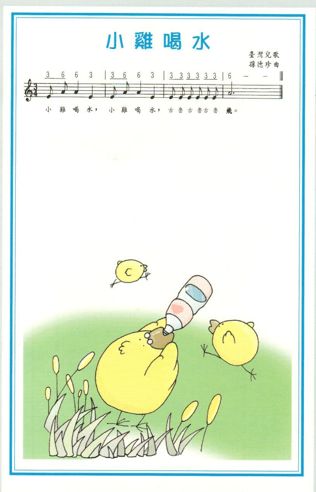
在音樂選擇上,我們精選並改編部分中國兒歌,讓孩子在熟悉的語言中體驗音樂。例如〈小雞喝水〉改編自臺灣兒歌,其歌詞全部使用陰平(第一聲)與上聲(第三聲)字,孩子在歌唱時能從語言本身感受高音與低音的轉換,並在兩片音磚之間自然找出旋律。這樣的設計,讓孩子第一次在語言與旋律的交會中,體驗到語文與音樂共鳴所帶來的美感。
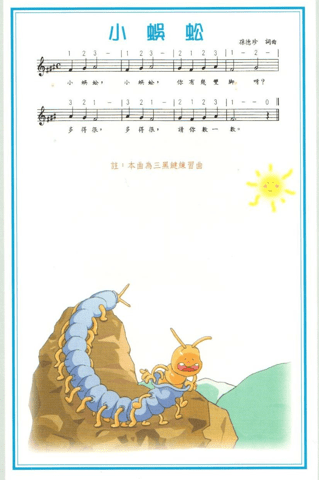
同時,國語中的陽平(第二聲)與去聲(第四聲)字對應上行與下行的音調,孩子藉由三音音階認識了音的上揚與下降,進一步發現中國語言本身即蘊含音樂性——所謂「抑、揚、頓、挫」,其實是高低、長短等要素交織的美感表達。
作者將所有內容以細緻規劃串成完整系列。在每個單元中,故事的發展、歌詞的意境、旋律的走向、節奏的變化、遊戲的編排、律動活動的內涵、旋律創作、音效設計、音樂欣賞、手指及手腕操、繪圖活動、器樂演奏、以及評量的方式與內容,都與單元的核心概念前後呼應,形成一個完整的學習經驗。孩子能迅速投入活動,並在其中自然地累積對音樂的理解與美感經驗。
這樣的學習方式,拋棄傳統只著重樂理的模式,而以概念建構為主,使孩子在活動中體驗並內化樂理經驗。《音樂的生活》帶給孩子的,不僅是音樂教育,更是一種「生活中的音樂」——在日常中聆聽、感受、表達與分享美。
回顧當代兒童音樂教育的三大宗師:德國的奧福、匈牙利的柯達依、以及日本的鈴木鎮一,他們的教育哲學與教材內容皆根植於本土文化,其課程活動之所以能深入淺出,正因傳統文化作為養分與媒介。奧福教育在臺灣的先驅蘇恩世神父曾說過:「教師們雖肯定此教學法的成效及可行性,但由於這種教學需比一般教學投入更多精力與準備,許多教師因此裹足不前。」
多年來,我比較並研究各種教學法後,發現癥結在於文化隔閡。熟悉外來教材需花費大量時間,掌握外國教法則是一項艱深訓練。因此當我們觀摩奧福或柯達依課程時,一方面讚嘆其活潑豐富的內容,一方面也佩服教師深厚的音樂素養。近年,許多受過專業訓練的教育者投入幼兒音樂領域,開始正視這個文化問題,並嘗試「文化融合」,希望為中國音樂教育培養出「更新」「更好」「更具潛力」的新面貌。
為了讓孩子擁有屬於自己的音樂,而不是僅僅接收進口文化,我們需要更多努力,從基層做起,甚至不惜重新出發。願本書的出版,能在音樂教育的扎根過程中,成為一顆拋磚引玉的石子,引發更多對美與音樂的探尋與分享。
Preface – Sharing Aesthetic Experience and Taiwan’s First Interdisciplinary Curriculum
Music in Life – Preschool Series represents the first interdisciplinary curriculum in Taiwan’s early childhood music education. At its heart lies the philosophy of “Sharing Beauty”—awakening children’s innate aesthetic experience rather than teaching them musical theory. The aim is to help children feel beauty through music and share it in their daily lives.
This curriculum breaks traditional subject boundaries, weaving together music, language, culture, and everyday experience. Through nursery rhymes, folk melodies, stories, movement, games, and visual arts, children enter the world of music naturally—not by memorizing or drilling, but by exploring and creating.
Born during Taiwan’s wave of educational reform, Music in Life pioneered concept-centered, life-infused teaching. It is not merely a music program; it is a way of life that nurtures children’s sensitivity to beauty, their ability to share it, and their connection to cultural heritage.
Music in Life – Preschool Series
Music in Life – Preschool Series is designed for children aged four and above. Rather than filling them with musical knowledge or theory, its core aim is to awaken each child’s innate sense of beauty—to invite them to experience music and to share that beauty in everyday life. Through carefully crafted activities, children encounter musical concepts drawn from their daily experiences, transforming what they see, hear, and feel into a living musical language.
The songs chosen for this curriculum include adapted Chinese nursery rhymes, enabling children to experience music through familiar language. For example, “Little Chick Drinks Water” is based on a Taiwanese nursery rhyme whose lyrics use only the first (level) and third (falling-rising) tones of Mandarin. While singing, children naturally feel the shifts between high and low pitches embedded in the language itself, discovering melody between two tone bars. This design allows them, perhaps for the first time, to experience the resonance between language and melody—a profound aesthetic encounter.
Similarly, the second (rising) and fourth (falling) tones correspond to ascending and descending melodic patterns. Through a simple three-tone scale, children recognize upward and downward movement and discover the inherent musicality of Chinese speech. The traditional description of tone—“rise, fall, pause, and turn”—reveals itself as an expressive interplay of pitch and duration.
The series is carefully structured into cohesive units. Within each unit, every element—story progression, lyrical imagery, melodic direction, rhythmic patterns, game design, movement activities, creative composition, sound effects, music appreciation, finger and wrist exercises, drawing activities, instrumental play, and even assessment methods—is aligned with a central musical concept. This continuity allows children to engage deeply and effortlessly, building understanding step by step.
By moving away from traditional theory-based teaching and emphasizing conceptual learning through experience, children naturally internalize musical understanding while they play and explore. Music in Life thus offers not only a music education, but a way of living with music—to listen, to feel, to express, and to share beauty in daily life.
The three great masters of modern early childhood music education—Carl Orff of Germany, Zoltán Kodály of Hungary, and Shinichi Suzuki of Japan—each rooted their philosophies and teaching materials deeply in their native cultures. Their methods are effective precisely because traditional culture serves as the fertile ground for learning.
Father Ernest Su, a pioneer of Orff education in Taiwan, once observed:
“Teachers recognize the effectiveness and feasibility of this method, but because it demands far more preparation and energy than conventional teaching, many hesitate to adopt it.”
After years of comparative study, I believe the core challenge lies in cultural disconnection. Familiarizing oneself with foreign materials is time-consuming, and mastering foreign methods is demanding. Observing Orff or Kodály lessons, we marvel at their vitality and admire the musicianship of their teachers. In recent years, however, a new generation of professionally trained educators has entered the preschool music field, seeking to bridge this cultural gap. They aim to cultivate a renewed, enriched, and culturally resonant form of music education for Chinese children.
If we wish to give children music that truly belongs to them—not merely imported culture—we must be willing to work from the ground up, and even start anew when necessary. It is my hope that the publication of this book may serve as a humble spark, inspiring deeper exploration into music, beauty, and the sharing of aesthetic experience in early childhood education.
 雅歌教育典藏站